
Sir Len Hutton is hailed as one of the most legendary batsmen in cricket history—a player whose technique, resilience, and leadership transformed England’s Test team through the most turbulent era the sport had ever faced. While many remember Hutton for his textbook style and impressive statistics, his journey holds far more fascinating details than headline numbers suggest. In this deep dive, we unveil seven surprising facts about Sir Len Hutton’s cricketing glory, exploring the lesser-known stories, unique challenges, and enduring legacy that continue to shape the sport today. Whether you are a passionate cricket enthusiast or a newcomer eager to learn about cricket legends, understanding Hutton’s remarkable career illuminates both the man and the game.
Table of Contents
How Did Sir Len Hutton Rise to Cricket Fame?
Len Hutton’s rise to cricket superstardom was far from conventional, marked by determination and skill honed in Yorkshire’s tough cricketing culture. At just 17, Hutton debuted for Yorkshire County Cricket Club, quickly distinguishing himself with his disciplined technique and ability to anchor long innings—a rarity in the aggressive landscapes of English county cricket in the 1930s.
The Early Challenges of a Prodigy
- Born in 1916, Hutton faced cricket’s prevalent class divide. Despite humble origins, he overcame social barriers to secure his place in Yorkshire’s first team.
- His mentors included Herbert Sutcliffe and Wilfred Rhodes, two cricketing greats who influenced Hutton’s methodical approach and mental fortitude.
Becoming the Youngest Triple Centurion
- In the 1938 Oval Test against Australia, at just 22, Hutton scored 364 runs—then the highest individual Test score ever.
- This knock not only broke Sir Don Bradman’s Ashes record but also cemented Hutton’s status as a record-breaking opening batsman on the world stage.
Key takeaway: Hutton’s breakthrough was built not just on talent, but on a relentless work ethic and cricket IQ that stunned both his peers and legendary opponents.
What Major Setbacks Did Len Hutton Overcome?
For all his early triumphs, Hutton faced career-defining setbacks—physical and emotional—that threatened both his role in the team and his love for the game.
Surviving a Career-Altering Injury
- During World War II, Hutton joined the British Army and suffered a severe arm fracture in a gym accident. Doctors inserted a metal plate in his left arm, changing his batting grip and requiring a total rebuild of his technique.
- Many believed his career would end prematurely. However, he not only returned but adapted his style, proving his cricketing intelligence by compensating for reduced flexibility with superior placement and timing.
Combatting Pressures of Captaincy
- In 1952, Hutton was appointed captain of England—the first professional cricketer to break the amateur captaincy tradition. This era was rife with tension, as England’s leadership had always been reserved for social “gentlemen.”
- Under intense scrutiny and class-based prejudice, Hutton led from the front, guiding England to Ashes glory after a 19-year drought.
Key takeaway: Overcoming physical adversity and outdated conventions, Hutton’s comeback and pioneering captaincy showed unparalleled resilience and visionary leadership.
Seven Surprising Facts About Sir Len Hutton’s Cricket Glory
1. He Revolutionized Batting With a Metal Plate in His Arm
After his wartime injury, Hutton’s left arm was one-and-a-half inches shorter, yet he managed to rebuild his stance and shots to continue scoring prolifically. No other elite batsman has faced and triumphed over a comparable physical setback.
2. Record-Breaking Triple Century Still Inspires
Hutton’s 364 remains the highest individual score by an English batsman in Test cricket—a record unbroken after more than 80 years. This monumental feat helped England pile up their highest-ever Test total of 903 runs, a benchmark for future generations.
3. Pioneered the Role of Professional Captain
By becoming the first professional England captain of the 20th century, Hutton broke barriers for future generations. His success in the role shifted longstanding traditions, making merit and results priorities over background.

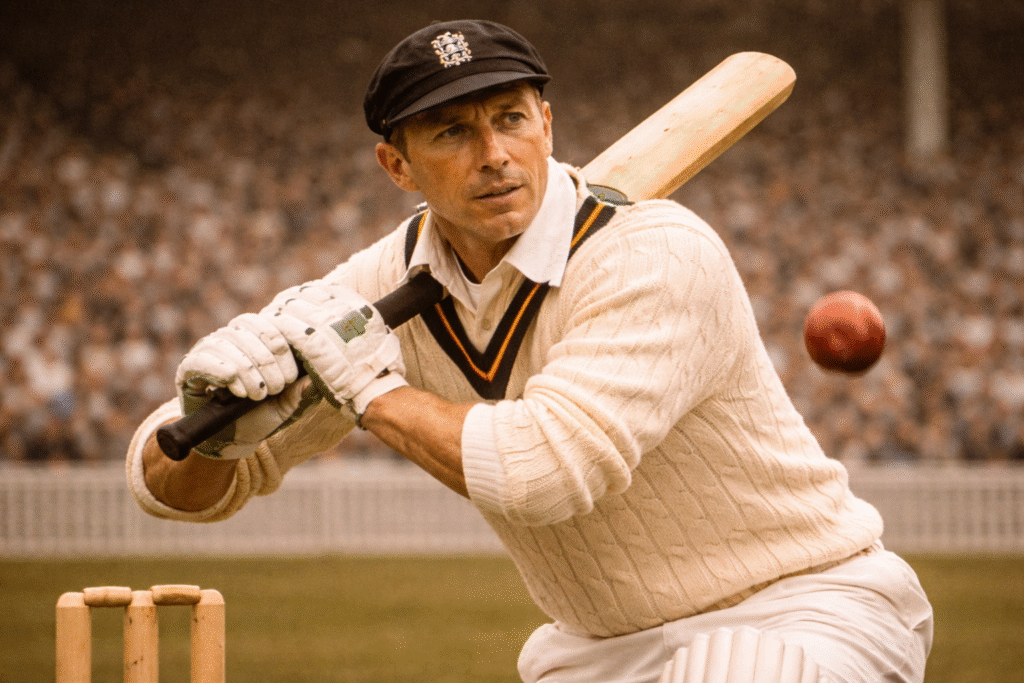
4. Master of Adaptation to Pitches and Bowling Attacks
Hutton excelled not only at home but also on overseas tours, where he often played on uncovered pitches against ferocious pace attacks. His adaptability and skill against both spin and fast bowling were instrumental in multiple overseas Test victories.
5. Instrumental in Ashes-Winning Triumphs
Under Hutton’s captaincy, England won the 1953 Ashes series, finally reclaiming the urn after nearly two decades. He repeated the feat in 1954-55, masterminding tactical strategies that elevated England to world-beating status.
6. Influential Mentor After Retirement
Following his playing career, Hutton became a respected selector, coach, and commentator, sharing his insights and inspiring generations of cricketers, such as Geoffrey Boycott and Michael Atherton.
7. Honored with Knighthood and Everlasting Respect
For his remarkable contributions, Hutton was awarded a knighthood in 1956. He remains one of the few professional cricketers to receive this honor, symbolizing cricketing excellence and service.
Expert tip: Hutton’s ability to overcome adversity, coupled with tactical innovation, set new standards for both batsmanship and leadership—principles still embraced in England’s cricket development pathways.
Frequently Asked Questions About Sir Len Hutton
What Were Sir Len Hutton’s Most Iconic Matches?
The 1938 Oval Test: A Batting Masterclass
Hutton’s 364 against Australia in the timeless Test immortalized him. Facing a world-class bowling attack, he batted for nearly 13 hours, punctuating his innings with exceptional concentration.
This performance remains a blueprint for batsmen on how to pace a long, high-pressure innings.
Ashes Decider, 1953: Leadership Under Fire
In a tense final Test at The Oval, Hutton’s tactical changes and cool demeanor against Australia led England to victory, restoring pride and setting a template for future captains.
Adapting on Australian Pitches, 1954-55
Leading England in foreign conditions, Hutton’s team defied expectations to win the series. His own gritty fifties were vital in blunting Australia’s fast bowlers.
Quick stat: Hutton averaged over 56 in Tests, an extraordinary figure given the difficult batting conditions and dominant opposition he regularly faced.
What Made Hutton’s Captaincy So Revolutionary?
Hutton’s captaincy is still studied by cricket historians and aspiring leaders for several reasons:
Strategic Brilliance: He introduced innovative field placements and bowler rotations, emphasizing flexibility over rigid tactics.
Team Cohesion: By fostering unity in a previously divided team, Hutton nurtured both established stars and emerging talents.
Focus on Results: His tenure marked a pivot towards professionalism, with intensive preparation and fitness routines ahead of their time.
Best practice: Building trust through clear communication and inclusive decision-making, as championed by Hutton, remains integral to success in modern team sports.
What Are Common Mistakes to Avoid When Studying Cricket Legends?
Overlooking Context: It’s essential to consider the era and challenges faced—equipment, pitches, and societal norms all shaped the game differently.
Judging Solely by Numbers: Hutton’s greatness lies not only in stats but also in how he inspired change and advanced professionalism.
Ignoring Off-Field Contributions: Like Hutton, many legends have contributed as coaches, mentors, and ambassadors, leaving a wider impact than scorecards show.
Was Len Hutton the best English batsman ever?
Arguably, yes—Len Hutton is widely rated as England’s greatest opening batsman, combining technical perfection with tactical acumen.
How did Hutton’s injury affect his batting?
The injury forced Hutton to rework his grip and technique entirely. He adapted with remarkable success, showcasing mental strength and cricketing intelligence.
What lasting impact did Hutton have on English cricket?
Hutton’s breakthroughs paved the way for professional captains and contributed to England’s golden era, inspiring cricketers for generations.
Did Sir Len Hutton play county cricket after Test retirement?
Yes, Hutton returned to play for Yorkshire, mentoring future stars and cementing his legacy in county cricket.
Key Lessons from Sir Len Hutton’s Cricket Journey
- Resilience in adversity can redefine both technique and fortune.
- Strategic innovation and adaptability are essential, regardless of generational changes in cricket.
- Leadership transcends traditions, as shown by Hutton’s pioneering captaincy and team unity.
For readers interested in exploring related cricket greats or understanding more about England’s cricket history, see our guides to [England’s all-time greatest cricketers] and [The Ashes: Historic Moments].
Unquestionably, Sir Len Hutton’s biography is not just a record of runs and centuries, but a template for overcoming adversity, shaping a team’s culture, and setting cricketing standards that endure. That is why his legend continues to inspire both players and fans long after the last ball was bowled.
