Paavo Nurmi is synonymous with Olympic greatness, endurance, and an indomitable will to win. Known as the “Flying Finn,” Nurmi’s record-breaking feats transformed the landscape of distance running and inspired generations of athletes globally. But beyond his legendary medal haul and fame, there are lesser-known facets to Nurmi’s life and methods that are critical to understanding his enduring athletic dominance. In this comprehensive biography, we unveil the 7 surprising secrets of Paavo Nurmi’s Olympic greatness—unique insights that shaped both his career and the future of competitive sports.
Table of Contents
Paavo Nurmi: The Unbeatable Olympian
Paavo Nurmi’s name is etched in Olympic history. Holding nine gold and three silver medals across three Olympic Games (1920, 1924, and 1928), Nurmi redefined middle- and long-distance running. He set more than 20 official world records, a staggering accomplishment that still amazes analysts and fans alike. Yet, the numbers only tell part of his story. What truly set him apart was a blend of innovation, discipline, and a relentless pursuit of perfection.
1. Scientific Training: How Did Paavo Nurmi Revolutionize Distance Running?
One of the greatest secrets to Paavo Nurmi’s Olympic success was his pioneering approach to training. At a time when many athletes relied on gut feeling and tradition, Nurmi introduced a rigorous, data-driven regimen that many consider the forerunner of modern sports science.
What Training Methods Did Nurmi Use to Achieve Olympic Glory?
- Interval Training Mastery: Nurmi was one of the first to consistently use interval training—a system of alternating bursts of high intensity with recovery periods—to build speed and endurance.
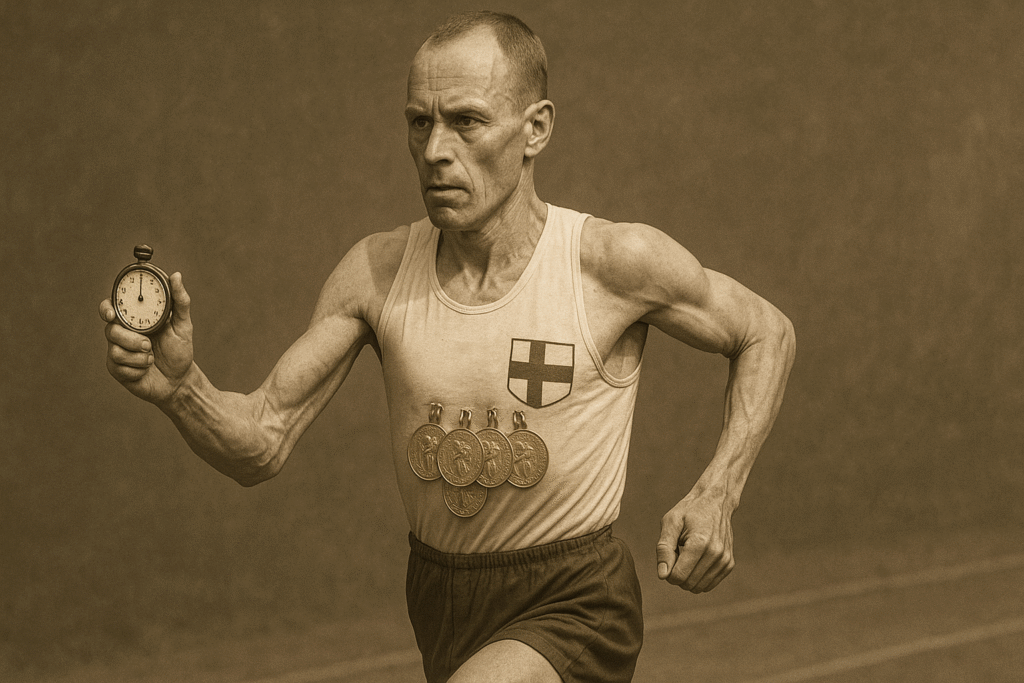
- Pace Management: He famously ran with a stopwatch in hand, monitoring his pace to the second. This allowed Nurmi to condition his body for exact race demands and conserve energy efficiently.
- Custom Workouts: Nurmi tailored his runs to reflect specific race conditions, varying distance, speed, and rest periods.
Key takeaway: Nurmi’s methods, now standard in elite athletics, were revolutionary. By embracing systematic, measurable training, he created an edge that few could rival.
2. Relentless Self-Discipline: What Set Nurmi’s Mindset Apart?
While physical training builds champions, mental discipline separates the greats from the legends. Nurmi’s life epitomized this principle.
How Did Nurmi Maintain Peak Focus and Consistency?
- Rigorous Daily Routine: Nurmi maintained strict daily habits, from regimented sleep schedules to planned meals, minimizing distractions.
- Stoic Mentality: He rarely showed emotion on or off the track, concentrating solely on performance.
- Unyielding Dedication: Anecdotes reveal that even after setting a world record, Nurmi would immediately begin planning how to improve further.
Insider tip: Adopting Nurmi’s consistency and self-control is essential for anyone aiming for elite achievement, whether in sports or business.
3. Adaptability in Adversity: How Did Nurmi Overcome Setbacks?
Resilience is often the hidden fuel of champions. Despite myriad challenges—ranging from harsh winter training conditions in Finland to injuries—Nurmi adapted swiftly.
What Challenges Did Paavo Nurmi Face and How Did He Respond?
- Environmental Barriers: Training in severe cold, he developed unique routines such as snow running and cross-training.
- Injury Management: Nurmi’s approach to injury was methodical. He incorporated lower-impact activities when needed and emphasized rest and recovery, avoiding the common pitfall of overtraining.
- Political Obstacles: Barred from competing in the 1932 Olympic Games amidst eligibility controversies, Nurmi remained a revered coach and mentor, continuing to influence the sport.
Case study: After missing the 1,500m final at the 1920 Olympics, Nurmi refined his tactics and returned to win three gold medals in the 1924 Paris Games—a testament to his adaptability.
4. Strategic Race Tactics: What Made Nurmi Unbeatable On the Track?
Winning at the highest level demands both raw talent and tactical intelligence. Nurmi was a strategic genius who often dictated races.
Which Race Strategies Defined Nurmi’s Impact on Distance Running?
- Pacing Precision: By running with a stopwatch and keeping strict splits, he forced competitors to react to his tempo, often causing them to burn out.
- Negative Splitting: Nurmi refined the art of running the second half of a race faster than the first, exploiting others’ fatigue.
- Psychological Pressure: His emotionless demeanor and relentless pace often discouraged rivals before the decisive moments.
What’s the lesson? Tactical mastery—knowing when to push and when to conserve—remains a hallmark of Olympic greatness.
5. Innovative Nutrition & Recovery: What Were Nurmi’s Secret Health Habits?
Proper nutrition and recovery underpin consistent peak performance. Although sports nutrition was in its infancy, Nurmi intuitively understood its value.
What Did Nurmi Eat to Stay in Top Form?
- Focus on Simple, Natural Foods: He preferred whole grains, lean meats, and fresh vegetables—avoiding processed items long before it became mainstream advice.
- Moderate Hydration: Uncommon for the era, Nurmi believed in careful hydration, reportedly sipping only what he needed to avoid stomach discomfort mid-race.
- Rest and Active Recovery: He integrated rest days and light exercise to rejuvenate, recognizing early signs of fatigue.
Practical advice: The adoption of natural foods and regular rest, as practiced by Nurmi, remains foundational for competitive athletes today.
6. Humble Beginnings and Lasting Legacy: How Did Nurmi Inspire Generations?
Though a global icon, Paavo Nurmi’s early years were shaped by hardship and perseverance. Raised in a modest home, he faced the loss of his father at age twelve, pushing him to support his family.
How Did Nurmi’s Background Influence His Career—and What Was His Enduring Impact?
- Work Ethic Born From Adversity: Nurmi’s early responsibilities instilled resilience and grit, qualities evident in both his personal and professional life.
- Mentorship and Inspiration: He actively supported younger Finnish runners, including Olympic champion Lasse Virén, passing on his training philosophies and mental approach.
- Global Influence: His methods informed coaching and athlete development programs worldwide, helping nations like Kenya and Ethiopia build their own distance running dynasties.
Critical takeaway: Nurmi’s example proves that humble origins can propel extraordinary achievement, especially when coupled with dedication and the desire to give back.
7. Record-Breaking Achievements: What Are Nurmi’s Most Iconic Accomplishments?
The history books are full of exceptional athletes, but few rival Nurmi’s Olympic record.
What World Records and Olympic Feats Cemented Nurmi’s Legacy?
- Olympic Golds Across Distances: He won gold in events ranging from the 1,500 meters to the 10,000 meters, a rare display of versatility.
- Unmatched Winning Streak: From 1920 to 1928, Nurmi won every Olympic race he entered, except for two second-place finishes.
- World Records: He set 22 world records, some of which stood for decades, including marks in the mile, two-mile, and 10,000 meters.
- The “Impossible Double”: At the 1924 Paris Olympics, Nurmi famously won the 1,500m and 5,000m races within an hour—an achievement unparalleled in Olympic history.
Statistical insight: As of today, Paavo Nurmi remains the only athlete to win five individual gold medals at a single Olympics in track & field—a feat matched only by the legendary Carl Lewis.
Common Questions About Paavo Nurmi (FAQ)
Why is Paavo Nurmi considered one of the greatest Olympic athletes?
Nurmi’s nine Olympic golds, three silvers, and long-standing world records—plus his transformative influence on training—make him a cornerstone of Olympic history.
What running techniques did Paavo Nurmi innovate?
He championed interval training, pace management, and negative splits—approaches now fundamental to elite running.
How did Paavo Nurmi change athletic training worldwide?
His data-driven, individualized planning became a blueprint for modern coaching at every level, inspiring runners far beyond Finland.
What setbacks did Paavo Nurmi overcome in his career?
Nurmi faced environmental, political, and physical challenges head-on, adapting strategies and maintaining composure, even when controversially barred from the 1932 Games.
What is Paavo Nurmi’s legacy today?
Nurmi’s life remains a testament to the power of discipline, innovation, and humility—a story echoed in every major championship, from local contests to the Olympic stage.
Key Takeaways and Actionable Lessons for Aspiring Athletes
- Embrace scientific training and continual improvement
- Prioritize mental discipline alongside physical preparation
- Adapt to adversity creatively and methodically
- Master pacing and tactics to control race outcomes
- Focus on natural nutrition and intentional recovery
- Value your roots and contribute to your community
- Aim for versatility and challenge the boundaries of your potential
As a guiding figure in the world of athletics, Paavo Nurmi’s legacy transcends statistics and medals. His secrets of greatness—rooted in innovation, integrity, and perseverance—provide an actionable framework for anyone striving for excellence.