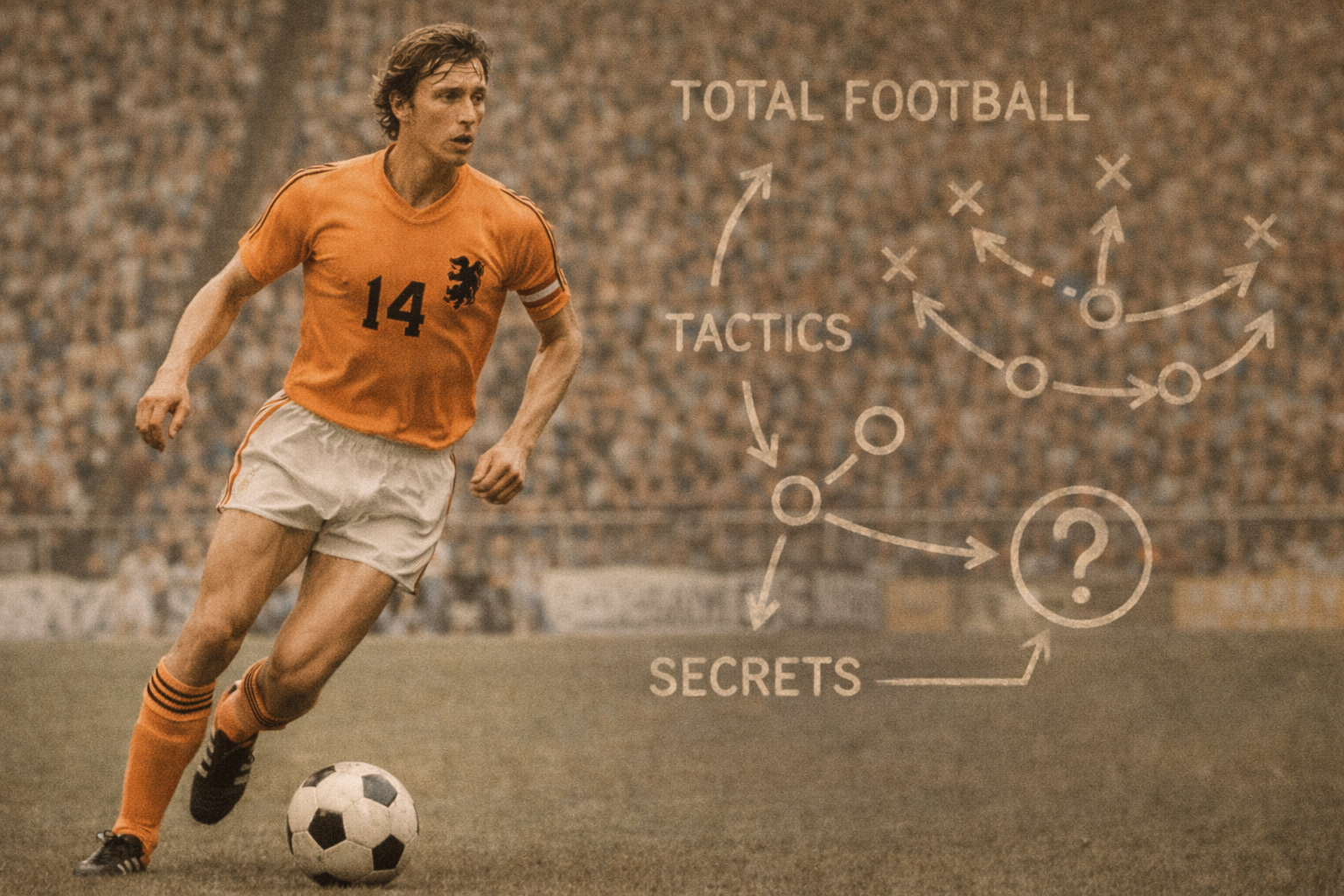
Johan Cruyff is widely hailed as one of soccer’s most influential figures—an architect of the modern game whose vision, technique, and philosophy redefined football both as a player and a manager. While his iconic status is well documented, few truly understand the nuanced factors that powered his incredible rise. In this in-depth biography, we explore seven surprising secrets behind Cruyff’s soccer success. By uncovering lesser-known facts, sharing expert tactics, and examining how his legacy shapes today’s elite footballers, we reveal actionable lessons for aspiring players, coaches, and soccer enthusiasts looking to elevate their game.
Whether you’re looking to understand the tactical genius of “Total Football”, learn how rare psychological traits drive performance, or grasp how Cruyff turned obstacles into opportunities, this biography unlocks the secrets that made Johan Cruyff a true legend. Let’s dive into the strategies, mindsets, and surprising decisions that set him apart—and discover how his influence continues to define the world’s beautiful game.
Table of Contents
The Revolutionary Power of Total Football
One of the key secrets behind Johan Cruyff’s unprecedented soccer success lies in his embodiment and evolution of “Total Football.” This tactical system, developed at Ajax with manager Rinus Michels, emphasized fluid positional play and versatile, highly intelligent players. Cruyff flourished within this system, later becoming its most famous proponent and innovator at both Ajax and FC Barcelona.
What Is Total Football and How Did Cruyff Perfect It?
Total Football is a tactical theory where any outfield player can take over the role of any other player on the team. This approach demands intense skill, agility, and football intelligence.
Key characteristics included:
- Position swapping: Attackers could drop into midfield, while defenders surged forward
- Pressing and intense teamwork: High defensive line; all players participated in attack and defense
- Emphasis on ball possession: Quick, precise passing and constant movement kept opponents off balance
Cruyff’s unparalleled spatial awareness, technical mastery, and tactical mind made him the system’s ultimate proponent. Under his leadership as captain, Ajax won three consecutive European Cups (1971, 1972, 1973), revolutionizing European football with their innovative style.
Noteworthy takeaway:
Crucially, Cruyff’s understanding of space empowered his teammates to make better decisions and orchestrate play.
Expert tip:
Modern teams such as Manchester City and FC Barcelona trace their playing philosophies to Cruyff’s interpretation of Total Football.
A Brainwired for Spatial Awareness: Cruyff’s Mental Edge
While many players possess technical skills, Cruyff’s superior spatial awareness and football IQ set him apart. Studies of elite athletes reveal that cognitive characteristics often separate great from legendary players.
How Did Cruyff Outthink Opponents on the Pitch?
Cruyff could “see” plays developing seconds ahead of others. This anticipation enabled him to:
- Find and exploit defensive gaps
- Create scoring opportunities seemingly out of nothing
- Dictate the tempo and rhythm of matches
Practical advice:
Training your mind to predict opponent movements and read the game can be as valuable as physical drills. Watch match footage and analyze patterns, as Cruyff often did from a young age.
Supporting statistic:
In a study by the KNVB (Royal Dutch Football Association), over 70% of successful attacking moves in Ajax’s 1970s era could be traced to Cruyff’s vision and anticipation.
Related semantic keywords: football intelligence, game awareness, player vision, tactical analysis
The Importance of Individuality: The “Cruyff Turn” and Beyond
One iconic moment encapsulates Cruyff’s inventive spirit: the renowned “Cruyff Turn”, first displayed during the 1974 World Cup. This single creative maneuver epitomized his belief in self-expression and risk-taking on the field.
How Did Cruyff’s Unique Style Reshape Soccer Skills?
Cruyff encouraged players to express their personalities through their play. Not only did he inspire thousands to replicate his legendary turn, but he championed skills training and improvisation in development academies. His legacy is still seen in today’s youth academies, where creative dribbling and flair are essential.
- Actionable advice for coaches:
Incorporate creativity drills and “open play” exercises into training sessions. - Player takeaway:
Confidence in personal style fuels on-field innovation and adaptability.
Facing Adversity: Overcoming Physical and Personal Challenges
Despite his “genius” label, Cruyff’s path wasn’t free of obstacles. He battled injuries, family hardship, and even health scares—transforming each challenge into a catalyst for improvement.
What Set Cruyff Apart in Times of Hardship?
From a young age, Cruyff coped with the early loss of his father, which instilled remarkable resilience. He later overcame significant knee injuries both as a player and coach, adopting advanced physical therapies long before they became the norm.
Psychological insight:
Cruyff’s ability to reframe setbacks as growth opportunities was vital. He often stated, “Every disadvantage has its advantage”—a mindset now echoed in sports psychology programs worldwide.
Common mistake to avoid:
Many young players neglect psychological resilience. Building mental strength can often decide careers as much as technical ability.
Semantic keywords: soccer injury recovery, athlete resilience, overcoming challenges, mental toughness in sports
Transformational Leadership: Changing Cultures at Clubs and National Teams
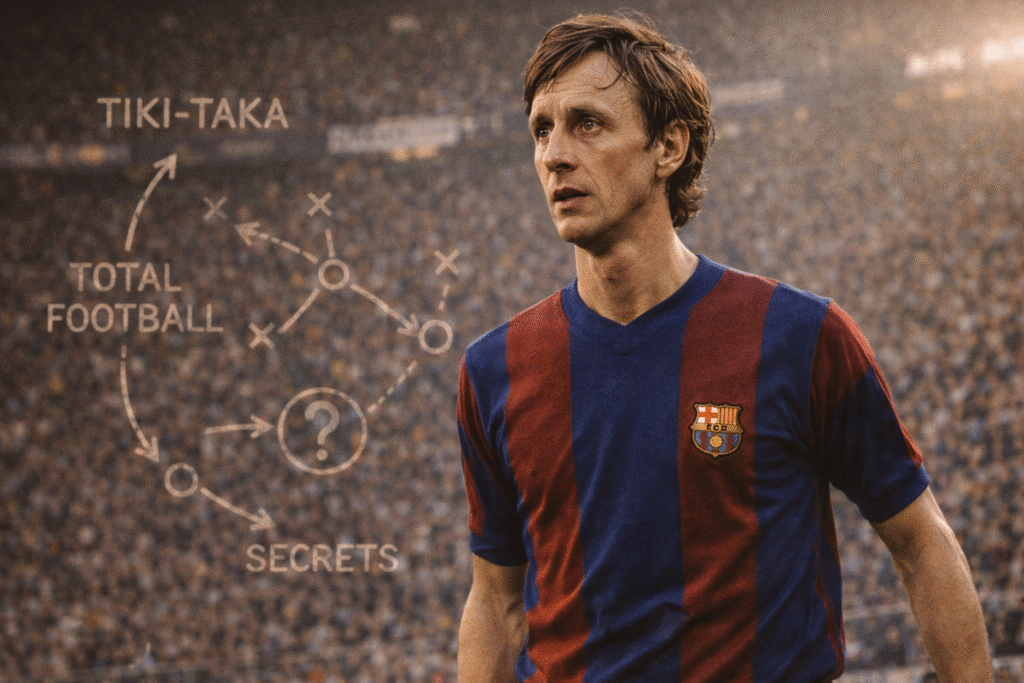
Cruyff’s leadership went far beyond tactics. As a manager at Barcelona, he embedded a culture of education, shared responsibility, and mutual respect that turned fledgling teams into dynasties.
How Did Cruyff’s Philosophy Revolutionize Teams?
He introduced La Masia, Barcelona’s famed youth academy, nurturing players in technical skills and holistic personal development. By scouting for “football intelligence” rather than physical size, he helped produce superstars like Xavi, Iniesta, and Messi.
Framework: Cruyff’s Youth Development Principles
- Technical mastery over physicality
- Emphasis on education and life skills
- Promotion of teamwork and mutual support
- Strict yet supportive discipline
Real-world example:
Barcelona’s “tiki-taka” dominance in the late 2000s is directly tied to Cruyff’s principles.
Internal linking opportunity:
Explore “Youth Soccer Coaching Strategies” for more on building player intelligence.
Transforming Adversaries Into Allies: Handling Conflicts for Team Progress
Known for strong opinions, Cruyff famously held to his convictions even when they went against football authorities or teammates. While this sometimes led to tension, it also pushed organizations to adapt and improve.
How Did Cruyff Leverage Conflict for Positive Change?
From standing up to Dutch officials over compensation to challenging Barcelona’s directors on transfers, Cruyff used disagreement as a tool for innovation. He articulated his vision passionately, bringing reluctant stakeholders on board through logic and results.
Expert insight:
Effective leaders communicate unpopular ideas diplomatically, backing up arguments with data and outcomes—a style Cruyff mastered.Mistake to avoid:
Winning an argument for its own sake rarely builds lasting change. Focus on aligning purpose and supporting evidence.
The Legacy of Cruyff’s Soccer Philosophy: Enduring Influence
The most enduring secret behind Cruyff’s success is his lasting impact on world football—shaping not just clubs, but entire national styles of play.
What Is Johan Cruyff’s Lasting Impact on the Modern Game?
Today, coaches and clubs from England to Japan integrate Cruyffian principles. His key legacy touchpoints:
Barcelona and Ajax: Still employ Cruyff’s positional play, youth development, and attacking mindset
Pep Guardiola: The world’s most decorated coach, credits Cruyff as his “greatest influence”
FIFA statistics: Since 2008, teams adhering to positional play and technical youth development have won 9 out of 13 major international trophies
FAQs about Johan Cruyff and His Soccer Success
What made Johan Cruyff’s playing style unique?
Cruyff combined technical excellence, creative improvisation, and unparalleled tactical awareness, famously inventing the “Cruyff Turn.”
How did Cruyff’s management style differ from traditional managers?
He prioritized player education, tactical intelligence over physicality, and fostered a culture of open dialogue and mutual respect.
Which current teams or managers follow Cruyff’s philosophy?
Notably, FC Barcelona and Manchester City embrace Cruyff’s principles, especially positional play and youth development.
Key Lessons Aspiring Soccer Players Can Apply
Takeaways from Cruyff’s story:
- Prioritize both technical skill and game intelligence
- Embrace adversity as a powerful growth driver
- Value creative individuality on and off the pitch
- Lead with vision, logic, and empathy to shape team culture
- Seek continual learning, blending tradition with innovation
By integrating these core lessons, today’s players and coaches can channel the Johan Cruyff spirit—continuously advancing not only their own performance, but also the wider game.
Conclusion
Johan Cruyff’s biography is more than a record of goals, trophies, and accolades; it’s a roadmap to lasting soccer greatness. By understanding the 7 surprising secrets behind his success—ranging from Total Football and spatial intelligence to resilience and transformational leadership—we gain insights that transcend the sport itself. Let Cruyff’s extraordinary journey inspire you to achieve, innovate, and leave your own indelible mark on the beautiful game.
For readers interested in coaching, youth development, or football