Wilma Rudolph’s rise from a fragile child in segregated Tennessee to the first American woman to win three gold medals in a single Olympic Games is not only astonishing—it’s a masterclass in perseverance, strategy, and breaking barriers. Her journey, peppered with formidable obstacles and marked by groundbreaking victories, continues to inspire athletes, business leaders, and anyone striving for excellence. In this biography, we reveal seven surprising secrets behind Wilma Rudolph’s Olympic glory, diving deeper than the headlines to extract actionable insights and lessons that remain relevant today.
The Early Struggles That Forged a Champion
How Did Wilma Rudolph Overcome Polio to Become an Olympian?
Wilma Rudolph’s early years presented unimaginable challenges. Born premature and weighing just 4.5 pounds, she contracted polio at age four, leaving her with a paralyzed left leg and foot. Doctors declared she might never walk again without braces.
Key Takeaway: Wilma’s relentless rehabilitation—her mother massaged her leg four times a day, and Wilma traversed 50 miles every week to receive physiotherapy—demonstrates the power of community support and personal determination in overcoming adversity.
- Actionable Tip: Surround yourself with a strong network; overcoming setbacks often requires collective effort.
- Statistic: According to the CDC, less than 1% of polio infections lead to permanent paralysis, yet recovery at the level Rudolph achieved is exceptionally rare.
Her resilience in this stage laid the foundation for a growth mindset—one that would propel her to future athletic success.
What Role Did Segregation and Social Barriers Play in Her Story?
Growing up in the Jim Crow South, Wilma faced not only physical but societal hurdles. Facilities, competitions, even public celebrations were segregated. Yet, her dedication to equal opportunity became a cornerstone of her character.
- Example: When she returned from winning Olympic gold, she insisted her victory parade and banquet be integrated, making history in Clarksville, Tennessee.
- Best Practice: Use your platform to break down barriers, creating opportunities for those who come after.
Strategic Pivot: From Basketball Courts to Track Glory
Why Did Wilma Rudolph Switch From Basketball to Track and Field?
Initially, Wilma’s athletic talent manifested on the basketball court. She led her high school to a state championship, and her speed caught the attention of Tennessee State University’s coach, Ed Temple.
- Insider Knowledge: Coach Temple, legendary for spotting promising female athletes, mentored Wilma and helped her pivot to track—a strategic move that aligned with her unique speed and endurance abilities.
Critical Concept: Identifying and leaning into your “zone of genius” can be career-defining. Rudolph’s story reminds us to remain open to opportunities that better fit our strengths.

- Data Point: Within two years of switching, Rudolph qualified for the 1956 Melbourne Olympics, bringing home a bronze medal at just 16 years old.
What Was the ‘Tigerbelle’ Training Secret?
Wilma became part of the famed “Tigerbelles,” the women’s track team at Tennessee State University. Their training was renowned for its rigor and discipline:
- Twice-daily practices
- Comprehensive cross-training
- Mental conditioning sessions
Expert Tip: Structured training environments that focus on both physical skill and mental toughness are crucial for high achievement. The Tigerbelles’ unique blend of camaraderie and competition elevated every member.
Turning Setbacks into Setups: The 1960 Rome Olympics
How Did Wilma Rudolph Set World Records Despite Injuries?
Just weeks before the 1960 Olympics, Wilma suffered a twisted ankle. Instead of withdrawing, she adapted her training, focusing on upper body strength and visualization.
- Framework: Adapt, don’t surrender—successful athletes often reframe obstacles as opportunities to train smarter.
- Actionable Insight: Injury doesn’t have to mean inactivity. Explore alternative ways to strengthen other aspects of performance.
During the Olympic Games in Rome:
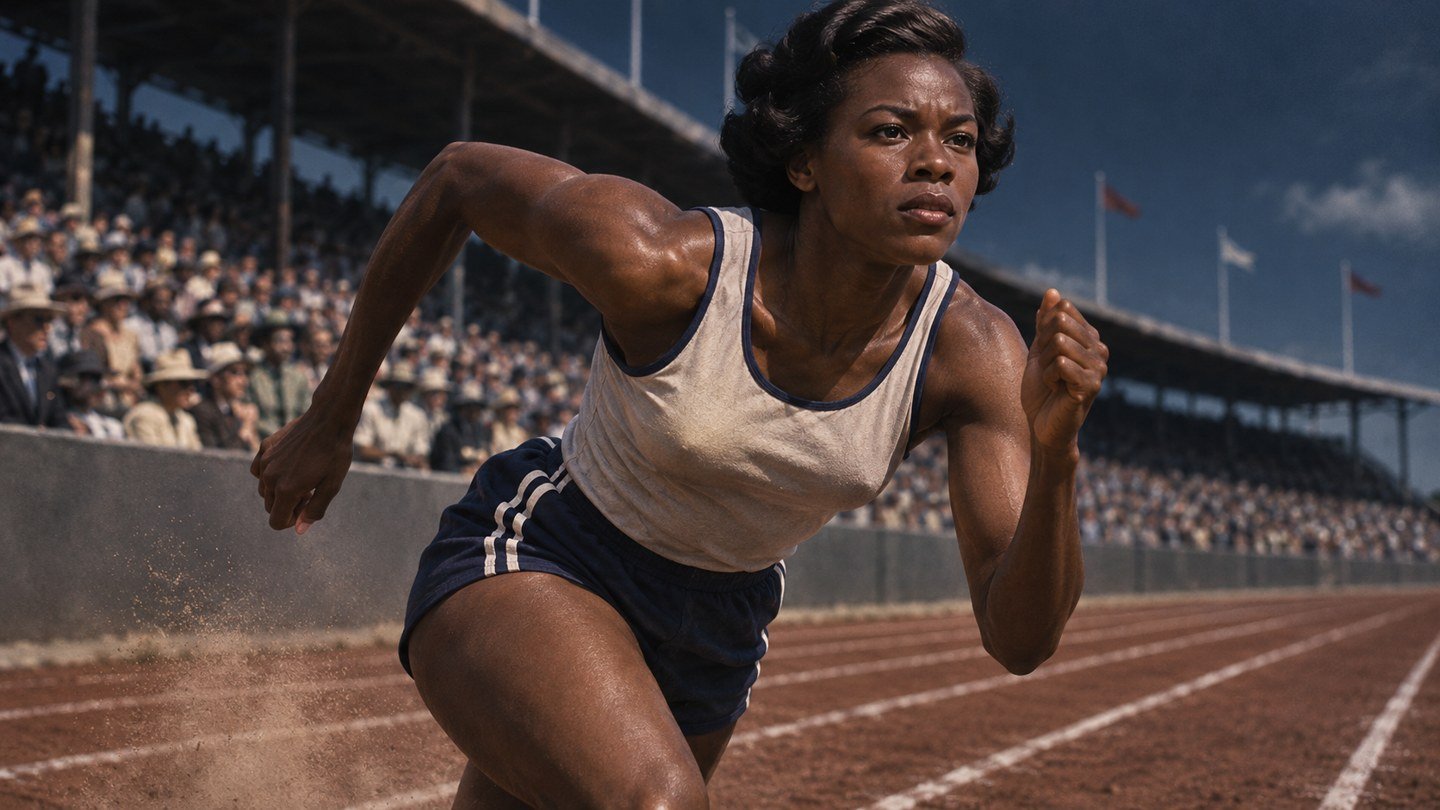
- She won gold in the 100 meters, 200 meters, and 4×100-meter relay.
- Set or tied world records in all three events.
- Became known as “The Fastest Woman in the World.”
Bold Statistic: Rudolph’s sprint times—11.0 seconds in the 100 meters—stood as world records for years.
What Was Wilma Rudolph’s Mental Edge?
Wilma’s secret weapon wasn’t just physical speed, but psychological resilience. She practiced visualization before races, imagining herself winning and overcoming adversity—a technique now widely used by elite athletes.
- Tip: Incorporate visualization and positive self-talk into your routine to prepare for high-pressure moments.
- Case Study: Modern Olympic champions, from Simone Biles to Usain Bolt, echo this technique as crucial to their own gold-medal performances.
Breaking Ground Beyond the Track: Legacy and Influence
How Did Wilma Rudolph Impact Civil Rights and Gender Equity?
Rudolph’s success shattered stereotypes on two fronts—race and gender. At a time when female athletes, especially women of color, faced systemic bias, her victories transformed public perception and opened doors for future generations.
- Industry Impact: The increase in female participation in track and field—women’s events nearly doubled in the decade following Rudolph’s triumphs.
- Community Leadership: Post-retirement, she mentored youth athletes, founded the Wilma Rudolph Foundation, and championed causes for disabled children.
Takeaway: Olympic glory has lasting effects when paired with advocacy. Build a legacy by mentoring and uplifting others.
What Can Modern Athletes Learn from Wilma Rudolph?
Wilma’s story offers actionable advice for contemporary competitors:
- Persistence outweighs talent. Her long journey from disability to Olympic dominance proves effort and consistency matter most.
- Leverage setbacks. Every obstacle is a potential launchpad for growth.
- Use your voice. Advocacy amplifies achievement; championing equity multiplies impact.
Frequently Asked Questions About Wilma Rudolph
What Medals Did Wilma Rudolph Win at the Olympics?
Wilma Rudolph won a bronze medal at the 1956 Melbourne Olympics in the 4×100-meter relay and three gold medals at the 1960 Rome Olympics in the 100 meters, 200 meters, and 4×100-meter relay.
How Did Wilma Rudolph Inspire Future Generations?
By breaking Olympic records and societal barriers, Wilma became a role model for women and minorities in sports, promoting youth programs and scholarships to expand access.
What Challenges Did Wilma Rudolph Face in Her Athletic Career?
She overcame physical disabilities, segregation, insufficient resources, and limited access to professional coaching—turning every challenge into a stepping stone.
What Was Wilma Rudolph’s Impact on Women’s Sports?
Wilma’s achievements paved the way for Title IX legislation and vastly increased the visibility of women in competitive athletics.
Inside Wilma Rudolph’s Winning Mindset: 7 Secrets Summed Up
- Resilience in adversity: Transformed childhood illness and poverty into sources of internal strength.
- Purpose-driven training: Sought out elite mentorship and embraced a community-oriented training approach.
- Openness to opportunity: Pivoted athletic focus strategically when doors opened.
- Mental preparation: Used visualization and psychological techniques to gain a competitive edge.
- Adaptability: Adjusted training tactics in response to injuries and setbacks.
- Trailblazing leadership: Leveraged her fame for social change and youth empowerment.
- Unflagging persistence: Consistently outworked competitors, maintaining focus over years of incremental progress.
Critical Takeaway: Wilma Rudolph’s path to Olympic glory is a blueprint for breaking barriers, maximizing talent, and championing lasting change. Her story teaches us that with determination, preparation, and vision, even the most impossible dreams are achievable.
For readers interested in the broader impact of women’s sports pioneers or actionable goal-setting frameworks, explore our articles on Female Athletes Who Changed History and The Psychology of High Performance. Wilma’s illustrious journey stands as an enduring testament to what happens when raw talent meets relentless willpower and social consciousness. Let her legacy guide your pursuit of excellence—on the track and far beyond.
You can follow us on our Facebook page