Mickey Mantle is more than just a legendary figure in Major League Baseball—he’s an American icon whose name epitomizes power, perseverance, and sportsmanship. Born into humble beginnings, Mantle’s rise to superstardom with the New York Yankees inspires players and fans alike over half a century later. While most fans know him as a Hall-of-Famer with prodigious home runs, few understand the nuanced secrets that fueled his extraordinary baseball greatness. In this biography, we reveal seven surprising secrets behind Mantle’s lasting legacy, complete with insider stories, actionable insights, and expert analysis that highlight why “The Mick” remains one of baseball’s most awe-inspiring legends.
Table of Contents
1. The Unlikely Beginnings: How Small Town Roots Shaped a Baseball Icon
Mickey Mantle was born in Commerce, Oklahoma, in 1931, the son of a coal miner. Far removed from the major league spotlight, Mantle’s early life was marked by financial struggle and relentless work ethic. His father, Mutt Mantle, recognized the importance of training early, famously pitching to Mickey from both the right and left sides—anticipating the switch-hitting prowess that would later redefine baseball.
What drove Mickey Mantle in his youth?
- Determined family support: Despite working grueling hours in the mines, Mutt devoted evenings to practicing with Mickey.
- Overcoming adversity: Mantle survived osteomyelitis, a crippling bone disease, as a child—an ordeal that cultivated resilience.
- Early exposure: Playing for local teams since age five, Mantle honed skills in unpredictable sandlot games.
Key takeaway: Mantle’s small-town struggles embedded humility, discipline, and mental toughness—the bedrock of his professional greatness.
2. Switch-Hitting Mastery: Mantle’s Greatest Weapon
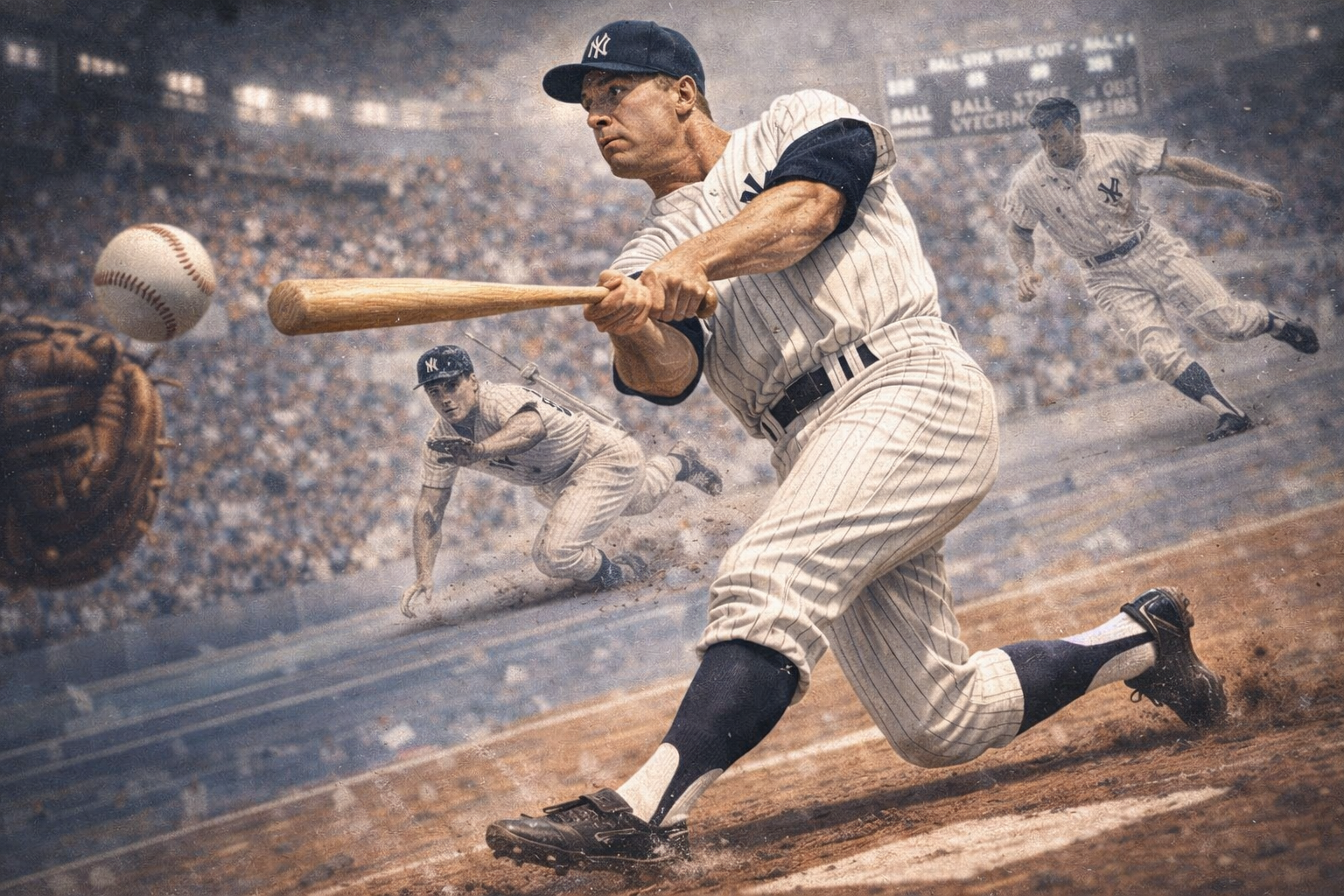
Switch-hitting is a rare and valuable skill in baseball, demanding immense coordination and adaptability. Mantle didn’t just embrace this challenge; he perfected it. Over his career, he slugged 536 home runs, many from both sides of the plate—something few have achieved to this day.
Why is switch-hitting so revolutionary?
- Strategic advantage: Mantle could neutralize pitcher matchups, avoiding the platoon disadvantage.
- Enhanced power: His left-handed swing produced some of the longest home runs in Yankee Stadium history.
- Adaptability: Constantly refining his mechanics, Mantle could adjust mid-season—an expert-level ability.
Expert tip: Even in today’s game, coaches encourage developing versatility. Mantle’s career sets the gold standard for aspiring switch-hitters.
3. Pain and Perseverance: Triumphing Over Chronic Injury
One of the most underappreciated aspects of Mantle’s greatness was his ongoing battle with injuries. From his catastrophic knee injury during the 1951 World Series to chronic leg and back issues, Mantle played through pain that would sideline most athletes.
How did Mantle excel despite injuries?
- Relentless commitment: He never played a single healthy season, yet appeared in over 2,400 MLB games.
- Adaptive training: Mantle modified his workouts to strengthen his legs and minimize further risk.
- Sheer willpower: Teammates often cited Mantle’s refusal to quit, even on days he could barely walk.
Stat to consider: Mantle missed parts of 10 seasons due to injury, yet still tallied 1,509 RBIs and three MVP awards.
Common mistake to avoid: Underestimating the value of playing “hurt.” Mantle showed that greatness is just as much about stamina and mindset as natural ability.
4. Record-Breaking Power: The Science Behind Mantle’s Legendary Home Runs
Few sluggers captivated crowds like Mickey Mantle. Fans marveled at his tape-measure blasts, some estimated at over 565 feet—numbers rarely seen then or now.
What made Mantle’s power so exceptional?
- Explosive athleticism: Mantle’s sprint speed (he once ran 60 yards in 6.1 seconds) generated immense torque.
- Optimal launch angle: His quick wrists produced high exit velocities, resulting in longer, higher-arcing balls.
- Mental preparation: Mantle meticulously studied pitchers, anticipating breaking balls and capitalizing on mistakes.
Case study: In 1953, Mantle’s home run at Griffith Stadium was measured at 565 feet, a MLB record for decades and a testament to his raw power.
Pro tip: Youth athletes can learn from Mantle’s approach—focus on both lower body strength and anticipatory skills when training for power hitting.
5. Underrated Discipline: Plate Patience and On-Base Mastery
While many remember Mantle for his home runs, his disciplined eye at the plate was equally pivotal. With a career .421 on-base percentage, Mantle consistently reached base, giving his team more scoring opportunities.
How did Mantle develop such advanced plate discipline?
- Selective aggression: He swung only at pitches in his zone, forcing pitchers to throw strikes.
- High walk rate: Mantle led the American League in walks five times, accumulating 1,733 in his career.
- Situational awareness: He adapted his strategy based on pitcher tendencies, even bunting for hits on occasion.
Critical takeaway: Plate discipline isn’t flashy, but Mantle’s patience remains a blueprint for players seeking to boost their on-base skills and overall value.
6. Leadership in the Yankees’ Golden Era
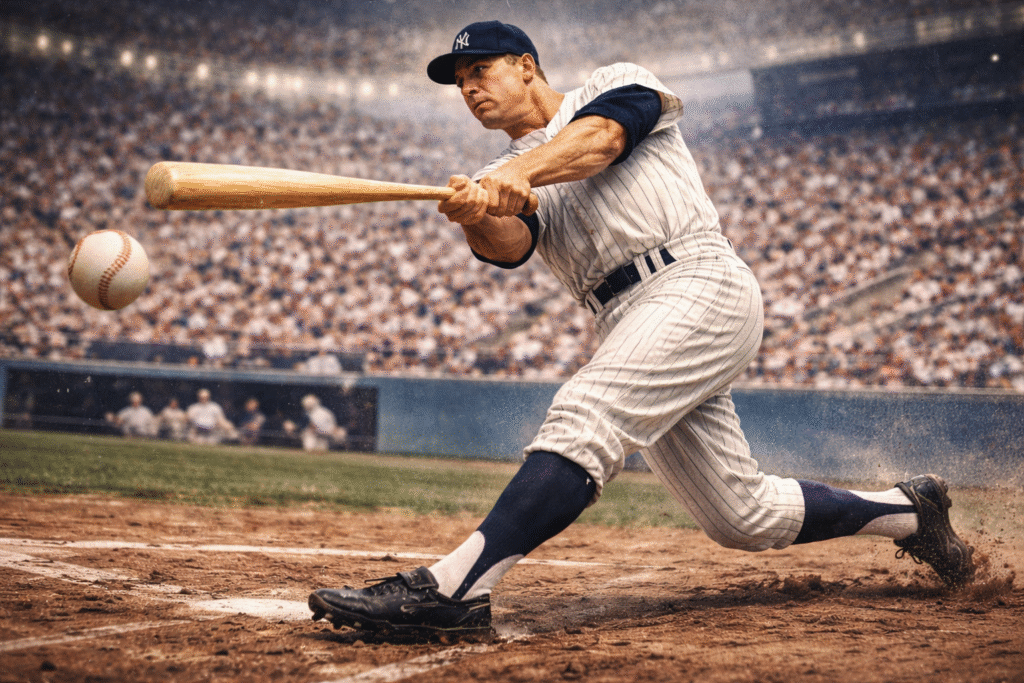
Mantle played at the heart of Yankees history, helping lead the team to seven World Series championships and 12 pennants. His leadership qualities extended beyond stats and highlight reels.
What set Mantle apart as a team leader?
- Lead by example: Mantle played every game at full throttle, inspiring teammates to elevate their performance.
- Clubhouse humility: He maintained a self-deprecating sense of humor, which endeared him to veteran and rookie players alike.
- Mentoring role: Mantle provided guidance to emerging stars such as Roger Maris and Elston Howard, shaping future Yankee dynasties.
Expert insight: Modern analytics stress intangibles like clubhouse chemistry. Mantle’s inclusive, relentless leadership helped solidify the Yankees as an enduring powerhouse.
7. Unmatched Performance in Clutch Moments
Mickey Mantle wasn’t just a regular season phenomena—he was a playoff legend. In the postseason cauldron, he set numerous records that still stand, including 18 World Series home runs and 42 RBIs.
What made Mantle such a clutch performer?
- High-pressure resilience: Whether facing the Brooklyn Dodgers or the Milwaukee Braves, Mantle excelled under the brightest lights.
- Consistent production: Across 65 World Series games, Mantle slashed .257/.374/.535 against pitching’s elite.
- Situational focus: Teammates remarked on Mantle’s heightened focus and calming influence in the dugout during big games.
Fact: No other player has more World Series home runs—a record that cements Mantle’s status as baseball’s ultimate postseason hitter.
Frequently Asked Questions About Mickey Mantle
What position did Mickey Mantle play?
Mantle primarily played center field for the New York Yankees, but he also logged games at right field and first base during his career.
Did Mickey Mantle ever win the Triple Crown?
Yes, Mantle won the Triple Crown in 1956, leading the American League in batting average (.353), home runs (52), and RBIs (130).
What was Mickey Mantle’s jersey number?
Mantle wore the iconic number 7 throughout his tenure with the Yankees—a number retired by the team and revered by fans worldwide.
How did injuries influence Mantle’s career?
Despite suffering multiple knee and leg injuries, Mantle’s relentless drive allowed him to amass Hall of Fame credentials and redefine what’s possible in playing through adversity.
Actionable Insights: What Modern Players and Fans Can Learn from Mickey Mantle
- Embrace versatility: Develop multiple core strengths (e.g., Mantle’s switch-hitting).
- Cultivate discipline: Combine power with plate patience to maximize value.
- Build mental fortitude: Overcome adversity and never let setbacks define you.
- Be a team player: Prioritize leadership and mentorship, not just personal achievements.
The Enduring Legacy of Mickey Mantle
Mickey Mantle’s career, marked by humility, innovation, and resilience, offers a playbook for baseball greatness that transcends generations. His journey from Commerce, Oklahoma, to the bright lights of Yankee Stadium is a testament to how grit, adaptability, and heart can propel an athlete to legendary status.
For those wanting to further explore the rich history of Yankee greats, consider our deep dives on [Yankee Stadium moments] and [Baseball Hall of Fame legends].
Mickey Mantle’s biography is a study in overcoming hardship, achieving versatility, and shining in clutch moments—an inspirational blueprint for greatness in any field.