
Muhammad Ali early life provides a glimpse into the formative years of one of boxing’s greatest legends. Born Cassius Marcellus Clay Jr. on January 17, 1942, in Louisville, Kentucky, Ali’s journey started in a segregated America, where he faced both racial and social challenges. From his childhood dreams of becoming a champion, he transformed into a cultural icon and humanitarian. This article explores his upbringing, early influences, and the beginnings of a remarkable career in boxing.
Table of Contents
Childhood and Family Background
Ali was born to Cassius Clay Sr. and Odessa Grady Clay, who emphasized the importance of strong family values and education. Growing up in a predominantly African American neighborhood, he witnessed the struggles against racial injustice. His father, a muralist, instilled a sense of pride in his heritage, which would influence Ali’s later activism.
Introduction to Boxing

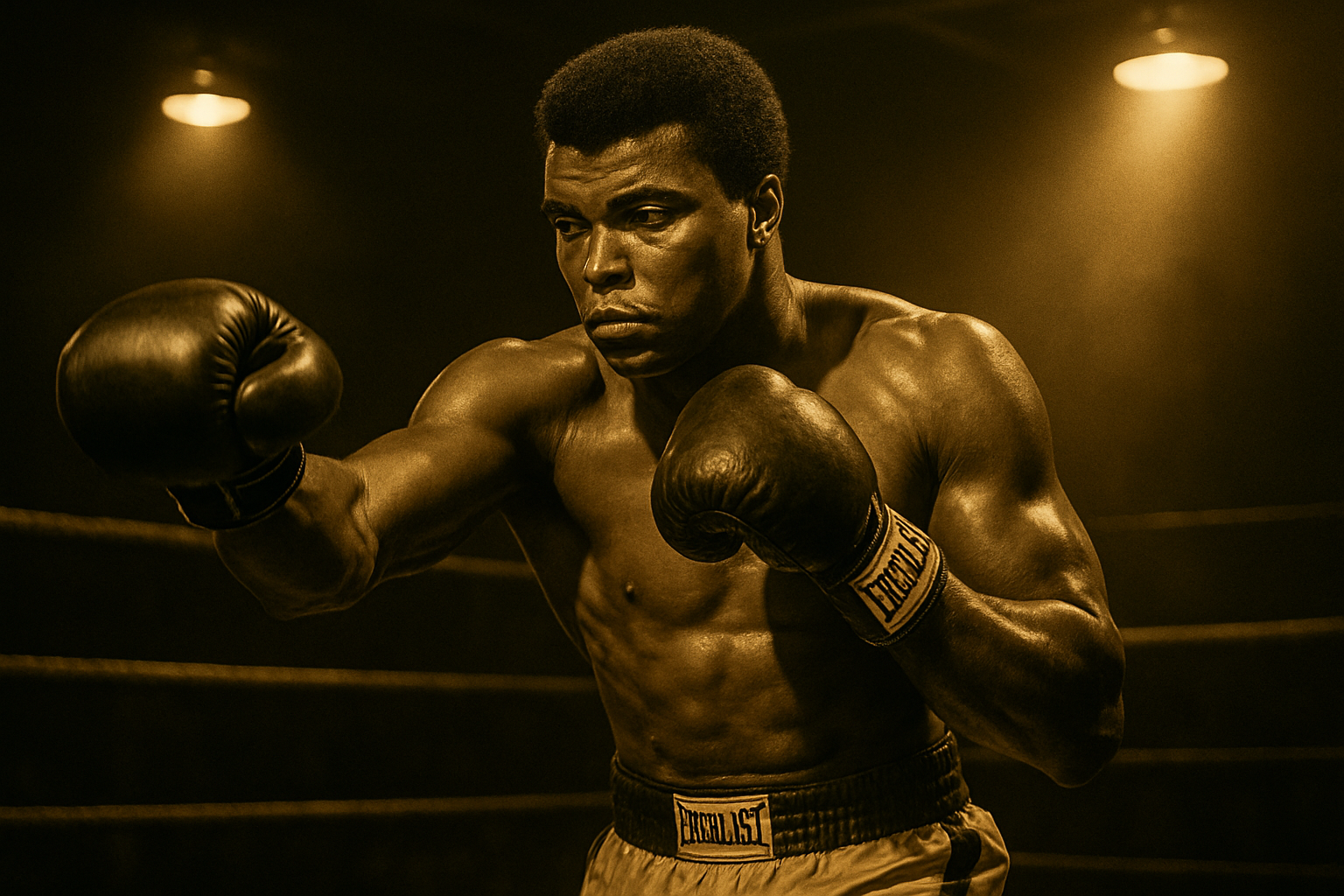
At the age of 12, Ali’s life took a pivotal turn. After his bicycle was stolen, he reported the crime to a police officer, Joe Martin, who was also a boxing trainer. Martin encouraged Ali to take up boxing for self-defense. Ali quickly fell in love with the sport, training at the Columbia Gym and winning his first amateur bout at just 13 years old.
Rise in Amateur Boxing
Ali’s amateur career was marked by significant accomplishments. He won the National AAU (Amateur Athletic Union) championship in 1959 and secured a gold medal at the 1960 Rome Olympics, defeating the reigning world champion in the process. His flair, quick footwork, and unique style captivated audiences, foreshadowing his future success as a professional.
Muhammad Ali Early Life Achievements
Ali’s early life achievements solidified his path towards greatness in boxing. By the time he turned professional in 1960, he had compiled an impressive amateur record of 100 wins and only 5 losses. His charisma, confidence, and skill set him apart, leading to his first professional title fight in 1964 against Sonny Liston, where he shocked the world by claiming the heavyweight championship at the age of 22.
FAQ
What were Muhammad Ali early life challenges?
Ali faced racial discrimination and societal challenges during his childhood, which shaped his worldview.
Who influenced Ali boxing career?
Trainer Joe Martin played a significant role in introducing Ali to boxing, guiding his early development.
What achievements marked Ali’s early boxing career?
Ali won numerous amateur titles and an Olympic gold medal before turning professional in 1960.
Conclusion
Muhammad Ali early life was characterized by resilience, ambition, and a drive to succeed. From his upbringing in Louisville to Olympic glory, Ali’s journey is one of overcoming adversity. His early boxing career laid the foundation for a legacy that extends beyond the ring, as he became a beacon for social change and humanitarian efforts. Understanding his early life is essential to appreciating the full impact of his greatness in boxing and beyond.