
Table of Contents
Roberto Duran is hardwired into the fabric of boxing history, a legend whose relentless ferocity and unwavering skill earned him an enduring place among the sport’s greatest champions. But beyond the well-known tales of “Hands of Stone,” his path to global stardom began long before championship belts and iconic bouts. Duran’s surprising Olympic rise is rich with little-known stories, formative challenges, and pivotal moments that shaped the remarkable fighter he would become. In this comprehensive biography, we reveal seven surprising facts about Roberto Duran’s Olympic journey—insights that connect his early life in Panama to his emergence on the world stage. Whether you’re a boxing enthusiast or someone fascinated by stories of grit and ambition, Duran’s ascent will challenge assumptions, offer inspiration, and provide an in-depth look at the making of a true sporting icon.
The Humble Beginnings of a Boxing Legend
Roberto Duran was born in El Chorrillo, Panama, on June 16, 1951, a neighborhood marked by hardship but also characterized by a unique resilience. His father, an American soldier of Mexican descent, left early in Duran’s life, leaving the family in precarious conditions. These difficulties did more than shape Duran’s character; they set the stage for his lifelong hunger and determination inside the ring.
How did Roberto Duran start boxing?
We often associate Olympic athletes with years of formal training, but Duran’s journey started far from state-of-the-art gyms.
- Early street fights: Duran’s boxing education began in street brawls, where he earned respect among older children.
- Local gym discovery: He was discovered by Neco de la Guardia, an astute trainer who saw raw potential in the young fighter.
- A prodigy in the making: Duran quickly impressed seasoned boxers at the Maranon Gym, holding his own against older, more experienced fighters.
Takeaway: Duran’s introduction to the sport was rooted in survival and ambition—qualities that would become trademarks in his Olympic ascent.
Roberto Duran’s Unexpected Path to the 1968 Olympics
Unlike many young athletes, Roberto Duran didn’t grow up dreaming specifically of Olympic medals. However, his talent was undeniable, and by his teenage years, he was already generating buzz in Panamanian boxing circles.
Was Roberto Duran an Olympian?
Yes, Duran represented Panama in the 1968 Olympic Games in Mexico City, an experience that would shape his early career in unexpected ways.
Unveiling the Olympic Years
- Rapid ascension: At just 16 years old, Duran was a standout among much older competitors during the Panamanian qualifying tournaments.
- Middleweight division: Duran fought in the featherweight class, showcasing lightning speed and power punching rarely seen at such a young age.
Key Statistic: The average age of Olympic featherweights that year was 21—Duran was the youngest in his category by several years.

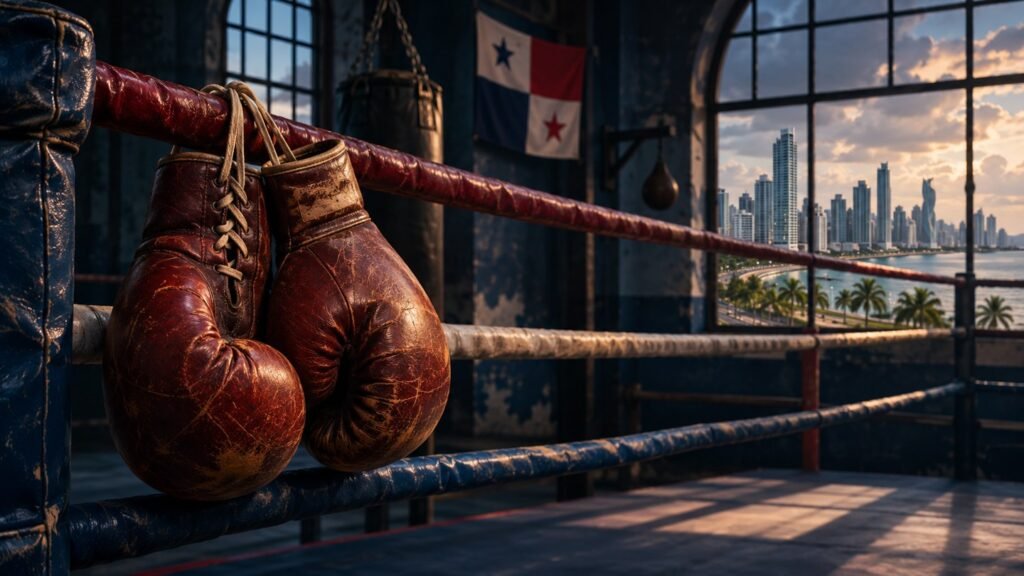
7 Surprising Facts About Roberto Duran’s Olympic Rise
1. He Was the Youngest Member of Panama’s 1968 Olympic Team
Duran’s selection at only sixteen was a significant outlier—a testament to his precocious skills and fierce determination. While most Olympic boxers refined their craft for years within national teams, Duran catapulted onto the international stage well ahead of the expected timeline.
Insider Tip: Duran’s coaches had to lobby for his place on the roster, convincing officials he was ready for the world—even if his age suggested otherwise.
2. Duran Trained Without Modern Resources
Modern boxing prospects often enjoy advanced facilities, sports science, and nutrition. In stark contrast, Duran prepared for the Olympics with makeshift gear and minimal amenities—often running barefoot and practicing with worn-out gloves.
- Minimal equipment: Training in the humid Panamanian climate, Duran made do with basic, even improvised, gear.
- Dietary restrictions: He often skipped meals to make weight, enduring exhaustive fasts and self-discipline uncommon for a teenager.
3. His Olympic Appearance Fueled Panama’s Boxing Renaissance
Prior to 1968, Panama had little recognition in the global boxing scene. Duran’s presence at the Olympics galvanized national interest, inspiring a new generation of fighters and setting the stage for Panama’s emergence as a boxing powerhouse.
Real-World Example: The spike in gym enrollments and local tournaments after Duran’s Olympic debut is still cited by coaches today as a turning point in Panamanian sports history.
4. Duran’s Grit Was on Full Display—Even in Defeat
Though he fell to the eventual medalist, Duran’s spirited Olympic performance attracted international praise for his relentless assault tactics. Judges, commentators, and seasoned trainers lauded his refusal to backpedal or retreat, demonstrating a “never-back-down” mentality synonymous with his pro career.
5. Olympic Losses Crafted a Future Champion
Often, we mistake Olympic elimination for the end of an athlete’s potential. For Duran, the opposite was true—the loss highlighted areas for growth that would be instrumental in his later dominance.
- Technical refinement: Duran’s team identified defensive weaknesses exploited by more experienced foes.
- Psychological fire: Being eliminated fueled his legendary work ethic and drive to conquer professional boxing.
Key Concept: “Sometimes, defeat forges greatness in ways victory cannot.”
6. His Rise Attracted Legendary Mentors
Duran’s valiant Olympic run attracted attention from regional boxing luminaries. Trainers like Freddie Brown and Ray Arcel, future Hall of Famers, began tracking his progress post-Olympics, aware he possessed unique championship attributes even as a teenager.
7. He Used His Olympic Experience as a Launchpad, Not a Destination
Unlike colleagues whose careers plateaued post-Olympics, Duran leveraged his role on the global stage to launch a storied professional journey, amassing world titles in four weight divisions—a feat achieved by only a handful of fighters in history.
Featured Snippet Answer:
Roberto Duran’s Olympic experience, though brief and marked by defeat, was pivotal. It exposed him to world-class talent, illuminated areas to improve, and energized both his career and Panamanian boxing for decades.
A Closer Look: Lessons from Roberto Duran’s Early Career
What can modern athletes learn from Duran’s Olympic story?
- Adaptability trumps circumstance: Duran’s Olympic ascent happened despite—not because of—elite resources, proving that heart and discipline can compensate for limited means.
- Use setbacks as springboards: Instead of seeing Olympic loss as a failure, Duran and his camp analyzed, adjusted, and capitalized on the experience.
- Community impact matters: His presence at the Games increased national pride, unified fans, and inspired future champions—a reminder that individual achievement often triggers sweeping change.
Technical Skillsets Developed During Olympic Training
Olympic preparation forged crucial aspects of Duran’s fighting style.
- Relentless combinations: Developed through repetitive drills, his signature multi-punch flurries became his professional calling card.
- Footwork and swarming: Up-tempo sparring against larger, international athletes honed the agility Duran would later use to pressure hall-of-famers like Sugar Ray Leonard.
Internal linking opportunity: Read our in-depth analysis of [Duran’s legendary career-defining fights] if you want to trace the tactical origins of his later success.
The Common Mistakes Young Boxers Can Avoid—Insights from the Duran Blueprint
- Neglecting fundamentals: Duran focused on basics—endurance, jab accuracy—never relying solely on raw aggression.
- Overlooking defeat: Duran and his trainers embraced loss as a learning opportunity, not a failure.
- Short-term focus: Viewing the Olympic experience as a launchpad, Duran planned for long-term professional success.
Frequently Asked Questions About Roberto Duran’s Olympic Journey
Did Roberto Duran win an Olympic medal?
No, Duran did not win a medal at the 1968 Olympics. However, his fighting spirit and performance made a significant impact on the boxing community and Panamanian sports.
How did losing at the Olympics affect Duran’s career trajectory?
Rather than discouraging him, the Olympic loss became a driving force for improvement. He dedicated himself to strengthening his technique, discipline, and psychological fortitude—attributes that later defined his legendary run in the ring.
How old was Roberto Duran during the Olympics?
Duran was only sixteen years old, making him the youngest member of Panama’s Olympic boxing team in 1968.
What style did Duran showcase at the Olympics?
Duran’s style was characterized by aggressive pressure, high-volume punching, and unwavering resolve—traits that quickly drew the attention of international coaches and promoters.
The Resilient Spirit That Shaped Boxing History
Roberto Duran’s Olympic journey is more than a footnote in his glittering career; it is a source of enduring lessons about perseverance, adaptation, and the building blocks of greatness. From challenging beginnings to the global spotlight, every step of his Olympic rise reveals the indomitable determination that would carry him to four world championships and Hall of Fame immortality.
Key Takeaways from Duran’s Olympic Rise
- Age is just a number—raw hunger and work ethic close the gap.
- Resource constraints can breed innovation and toughness.
- Early setbacks often contain the seeds of legendary comebacks.
As fans and future champions look to the past for inspiration, Duran’s journey from Panama’s struggling streets to Olympic ringside and, eventually, global superstardom stands as powerful proof: It’s not where you start, but how you rise from every challenge that carves