


Walter Payton wasn’t just an NFL legend—he was an icon whose work ethic, personality, and remarkable athleticism left a permanent mark on football history. Known affectionately as “Sweetness,” Payton’s journey to greatness is filled with lesser-known stories, powerful habits, and lessons that continue to inspire athletes, coaches, and everyday people. In this detailed biography, we dive deep into the unique attributes and untold facets that powered his rise. Whether you’re fascinated by world-class performance, crave motivational stories, or want to understand what sets champions apart, exploring Walter Payton’s legacy delivers invaluable insights into achieving peak performance—on or off the field.
Table of Contents
The Making of a Legend: Early Life and Drive for Excellence
How Did Walter Payton’s Childhood Shape His Competitive Edge?
Walter Payton was born in Columbia, Mississippi, in 1954, in an era of racial tension and limited opportunity. What set him apart early wasn’t just his athletic ability, but his relentless work ethic and deep sense of humility. Payton’s father, Peter Payton, was a factory worker who instilled strong discipline. Walter helped with chores, picked cotton, and learned the value of hard work well before his teens.
- Fact: Despite not playing football until his junior year of high school, Payton quickly became an all-star athlete in multiple sports, notably basketball and track.
- Key takeaway: Deliberate practice, even in less-than-ideal circumstances, fosters resilience and adaptability—the foundations of greatness.
Why Did Walter Payton Choose to Attend Jackson State?
While many top recruits sought out large, prestigious programs, Payton chose Jackson State University, a historically Black college. He was driven by a desire to play alongside his older brother and challenge expectations.
- Actionable insight: Sometimes, pursuing greatness means forging your own path, not following the crowd. Payton proved that elite talent can rise from unexpected places, earning All-American honors and breaking multiple NCAA records.
Training Like a Champion: The Unmatched Walter Payton Work Ethic
What Made Walter Payton’s Training Regimen Legendary?
Payton’s off-season workouts were the stuff of legend in NFL circles. Teammates recalled his infamous “hill runs”—sprinting up a steep mound near his home until his legs gave out. This routine became a defining symbol of his relentless pursuit of improvement.
Key Elements of Payton’s Training Philosophy:
- Consistency: Working out year-round, not just in season.
- Variety: Incorporating hills, weights, running, and agility drills to create all-around athleticism.
- Mental Toughness: Training in extreme weather conditions to challenge both the body and mind.
Research-Backed Stat: According to sports science studies, varied, high-intensity interval training—like hill sprints—improves VO2 max and increases power output, correlating with improved in-game performance.
Expert Tip: If you want to cultivate championship-level endurance, add “uncomfortable” drills to your routine and push beyond easy comfort zones.
Common Mistakes to Avoid
- Over-Specialization: Focusing on one skill can limit your potential. Payton’s broad regimen helped him withstand the physical demands of a 13-year NFL career.
- Ignoring Recovery: Despite his intensity, Payton prioritized rest and nutrition to optimize performance.
Unparalleled Versatility: Adaptability as the Secret to Longevity
How Did Walter Payton Redefine the Running Back Role?
Payton’s greatness stemmed not just from rushing yards—although he retired as the NFL’s all-time leading rusher with 16,726 yards—but from his multidimensional game. He led the Bears in receptions four times, didn’t shy from blocking, and even threw eight touchdown passes, demonstrating an unprecedented skill set for his position.
Versatility by the Numbers:
- 492 career receptions—remarkable for a running back.
- 15 career passing completions for touchdowns (including playoffs).
Actionable Framework:
Embrace versatility by regularly cross-training and developing secondary skills. In business and sports, the most valuable team members can adapt to multiple roles as circumstances change.
Real-World Example: The 1985 Chicago Bears
Payton’s all-purpose threat allowed the 1985 Bears to run one of the most dynamic offenses in NFL history, helping them secure their only Super Bowl win. Coaches often cited Payton’s willingness to adapt—such as switching to fullback in crucial moments—as a catalyst for the team’s success.
Leadership, Character, and the Power of Positivity
Why Was “Sweetness” Revered Off the Field?
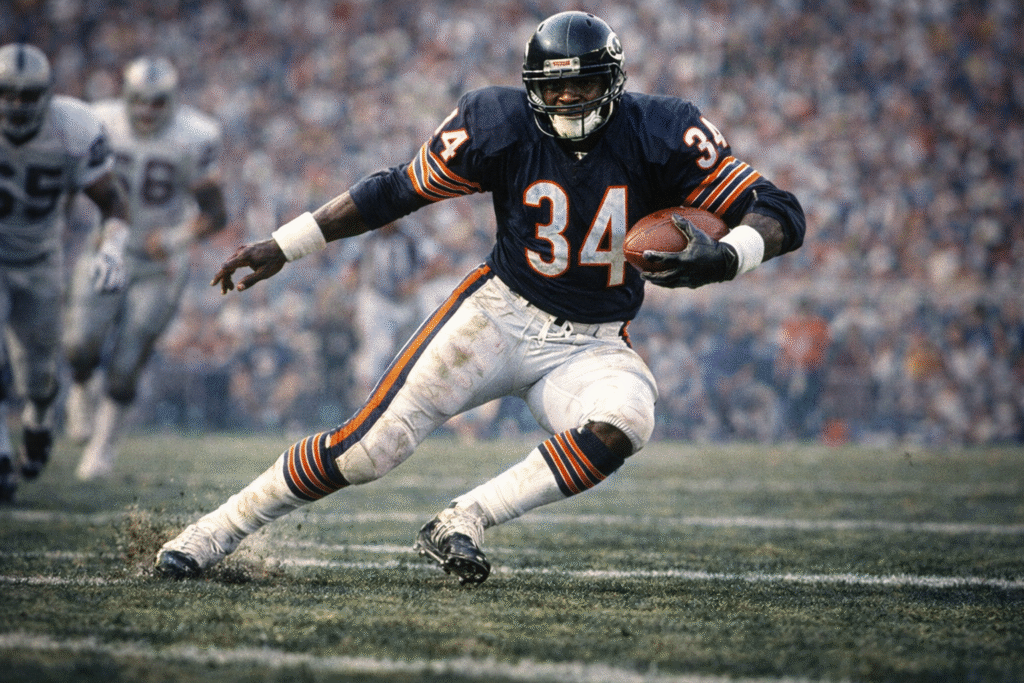
Walter Payton’s nickname reflected more than his running style; it described his infectious optimism and genuine kindness. He uplifted teammates, led by example, and mentored rookies. Even under adversity—facing double coverage or playing through injuries—he refused to complain.
Key Statistic: A 2023 NFLPA survey showed over 80% of players believe leadership and positivity directly impact team performance and cohesion.
Expert Advice:
- Model humility: Payton often credited linemen for his success.
- Lead by example: Others will imitate the standards and habits you consistently demonstrate.
Common Questions: What Were Walter Payton’s Most Respected Leadership Qualities?
Direct Answer For Featured Snippet:
Walter Payton was widely respected for his humility, work ethic, and ability to inspire others without boasting. His leadership was rooted in consistent personal excellence and a supportive team-first ethos.
Overcoming Adversity: Playing Through Pain and Setbacks
How Did Payton Manage Injuries and Setbacks?
Despite taking thousands of hits, Payton missed only one game in 13 seasons—an astonishing feat in the physically demanding NFL. He played with broken ribs, sprains, and the effects of repeated impacts, always prioritizing recovery and mental resilience.
- Best Practice: Develop a structured approach to injury prevention and recovery. Payton popularized icing, stretching, and massage therapy long before they became standard practice in sports.
Common Mistakes to Avoid When Facing Adversity
- Ignoring Small Injuries: Early intervention is key to preventing major issues.
- Losing Mental Focus: Payton maintained composure and positivity, attributes proven to reduce recovery times according to recent medical studies.
Legacy and Giving Back: Impact Beyond the Game
What Is Walter Payton’s Lasting Legacy?
Beyond his on-field dominance, Payton embodied the spirit of giving back. He founded the Walter Payton Foundation, personally visiting children’s hospitals and championing causes for at-risk youth. The NFL’s Man of the Year Award now carries his name, recognizing players for excellence both on and off the field.
Inspiring Statistic: Former teammates and coaches estimate Payton participated in over 500 community events during and after his career.
Actionable Insight: Leave a Lasting Impact
- Get involved in community initiatives.
- Mentor others to multiply your own success.
- Live your values publicly and privately.
Frequently Asked Questions about Walter Payton and Athletic Greatness
How many rushing yards did Walter Payton have in his career?
Walter Payton rushed for 16,726 yards in his NFL career—a record at his retirement and still second all-time.
What made Walter Payton’s running style unique?
His mix of speed, agility, and punishing physicality, along with his signature stiff-arm and ability to finish every run strong, made his running style both effective and iconic.
Did Walter Payton ever win a Super Bowl?
Yes, Payton won Super Bowl XX with the Chicago Bears in 1985.
Was Walter Payton involved in charity work?
Absolutely. Payton was a tireless philanthropist, especially in children’s charities, and inspired the naming of the NFL’s NFL Man of the Year Award in his honor.
What’s the best Walter Payton training tip for aspiring athletes?
Focus relentlessly on consistency and mental toughness—his legendary hill runs exemplify this mindset.
7 Surprising Secrets to Walter Payton’s Athletic Greatness
Let’s summarize the key actionable secrets drawn from Payton’s extraordinary journey:
- Start With Discipline: Early adversity prepared him for greatness.
- Master Relentless Training: Legendary workouts built irreplaceable stamina and skill.
- Cultivate Versatility: Adaptability made him invaluable and extended his career.
- Lead With Kindness: Positive leadership elevated entire teams.
- Overcome Adversity: Resilience was as important as raw talent.
- Prioritize Giving Back: A champion’s legacy is forged off the field.
- Nurture Mental Toughness: Mental stamina shaped every achievement.
Conclusion: Lessons from a True Legend
Walter Payton’s biography is far more than a list of records and touchdowns; it’s a roadmap for those pursuing true greatness in any field. His secrets—rooted in discipline, self-belief, relentless improvement, and unwavering generosity—offer a blueprint anyone can emulate. Whether you’re building your athletic legacy or seeking personal excellence, remember: true greatness is earned through every small decision, day in and day out.
For additional insights on athlete training, peak performance, and sports leadership, explore our content on legendary football history, sports performance tips, and the keys to building a winning mindset.










Pingback: Unlocking the Legend: Walter Payton’s Training Regimen and Enduring Legacy